
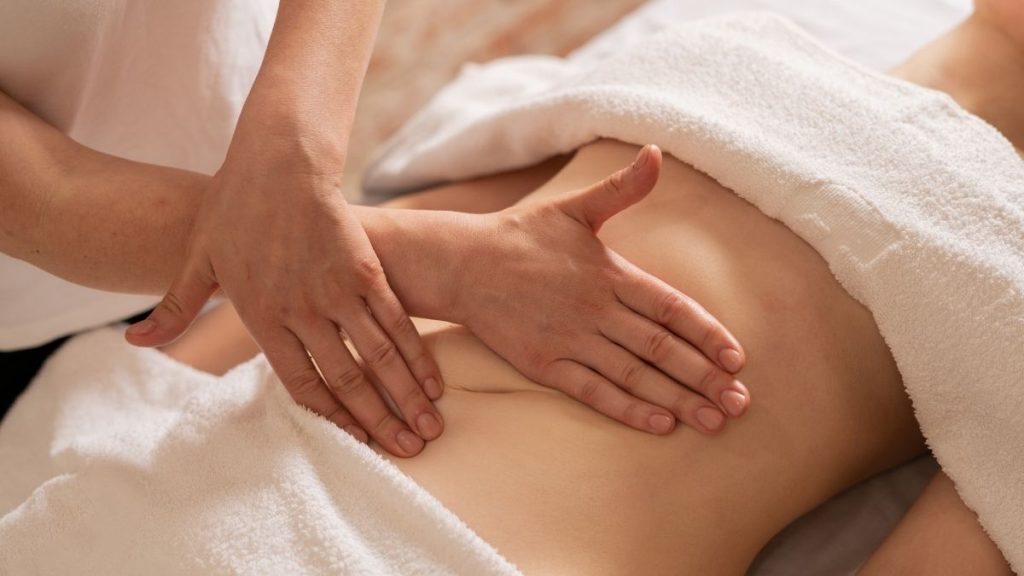
Many of us spend a lot of time thinking about our muscles, our skin, or our cardiovascular health, but we often overlook the silent network that keeps everything running smoothly in the background. The lymphatic system is essentially the body’s waste disposal unit. It is a complex network of vessels and nodes that transport lymph—a fluid containing infection-fighting white blood cells—throughout the body. When this system is working perfectly, we feel light, energetic, and healthy. However, when it becomes sluggish due to surgery, injury, or lifestyle factors, the results can be uncomfortable and visible.
This is where the specialised technique of lymphatic drainage comes into play. If you have been feeling a bit heavy, dealing with persistent swelling, or recovering from a medical procedure, you might have heard people mentioning Manual Lymphatic Drainage Glasgow as a solution. Unlike a traditional deep tissue massage that aims to work out knots in the muscles, this approach is incredibly gentle. It uses light, rhythmic movements to encourage the natural drainage of the lymph, which carries waste products away from the tissues and back toward the heart.
Why everyone is talking about Manual Lymphatic Drainage Glasgow right now
In a bustling city like Glasgow, more people are becoming aware of how holistic therapies can support their medical journeys. Whether it is the damp Scottish weather making joints feel stiff or the rise in elective cosmetic procedures, the demand for specialised lymphatic care has grown significantly. People are moving away from the idea that a massage has to be painful to be effective. In fact, with lymphatic work, the lighter the touch, the better the result.
Support for post-operative recovery
One of the most common reasons people seek out this therapy is to help with recovery after surgery. When the body undergoes a surgical procedure—whether it is a necessary medical operation or a cosmetic one like liposuction or a tummy tuck—the tissues experience trauma. This trauma leads to inflammation and an accumulation of fluid, often referred to as oedema. Without intervention, this fluid can harden, leading to fibrosis and a longer, more painful recovery period.
- Reduces post-surgical swelling and bruising significantly.
- Helps to prevent the formation of hard scar tissue or seromas.
- Speeds up the body’s natural healing timeline by removing cellular debris.
- Provides a soothing effect on the nervous system, which helps with pain management.
Managing chronic conditions and swelling
Beyond surgery, many individuals live with chronic conditions such as primary or secondary lymphedema. This can cause significant discomfort and a feeling of heaviness in the limbs. By incorporating regular sessions into their routine, many find they can manage their symptoms much more effectively. It is also a popular choice for those dealing with sinus issues, as gentle drainage around the face and neck can help clear congestion that stubborn colds or allergies leave behind.
What actually happens during a treatment session
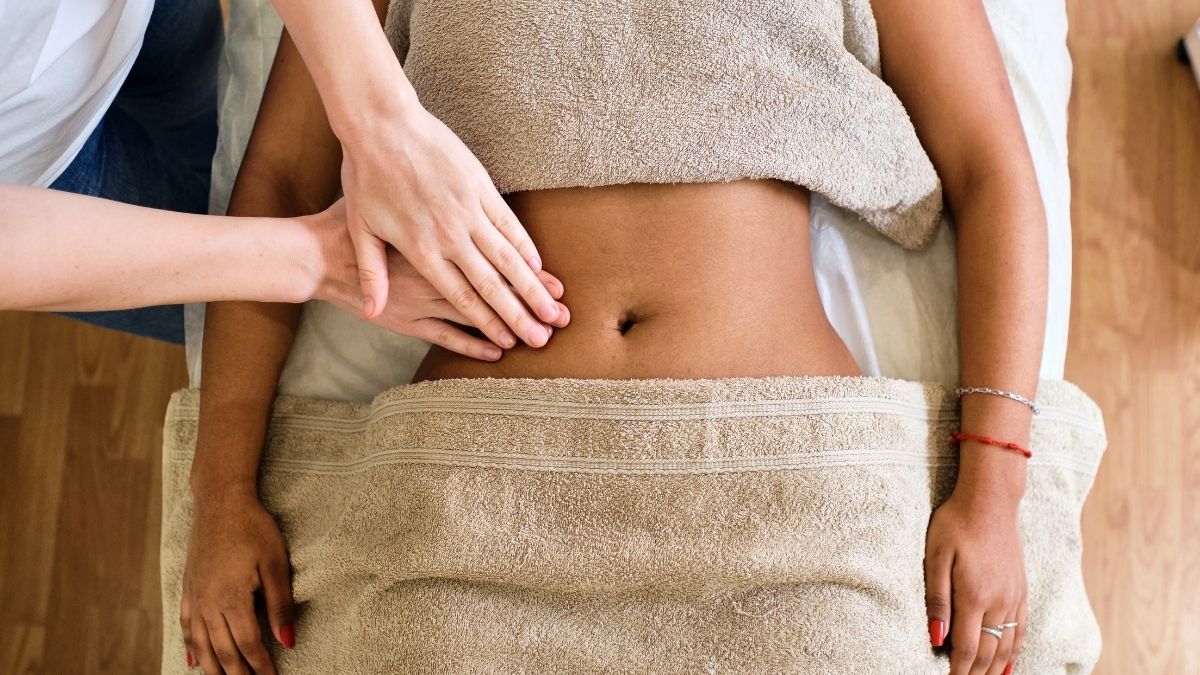
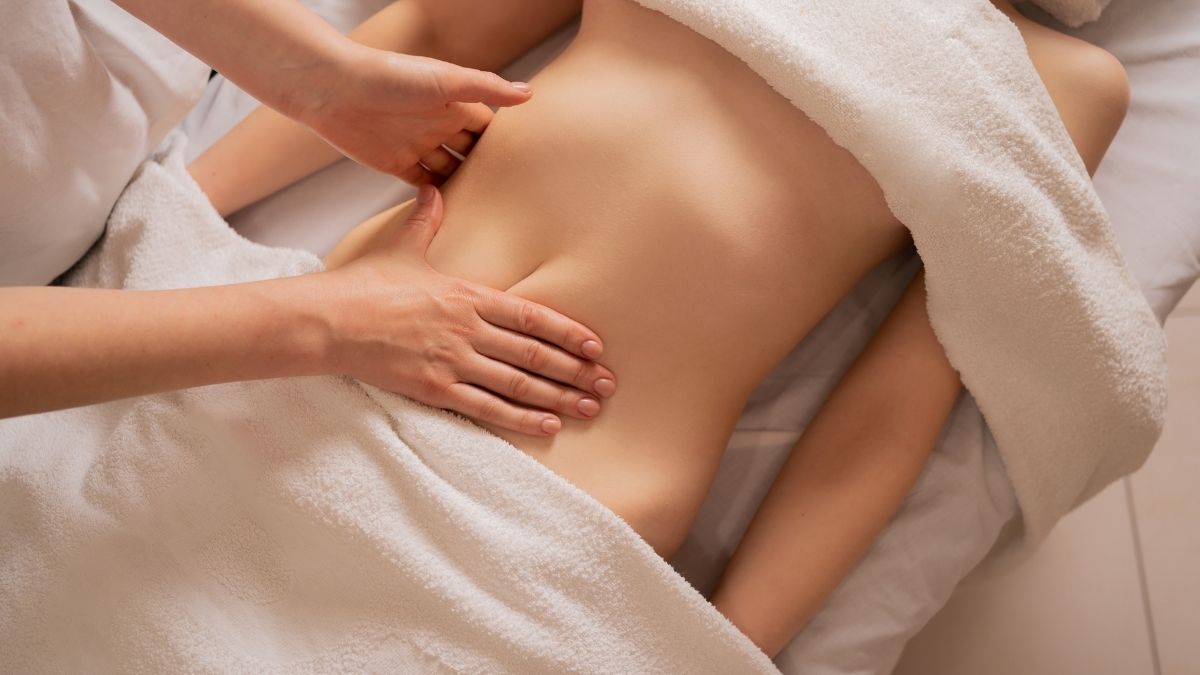
If you are used to the firm pressure of a sports massage, your first experience with Manual Lymphatic Drainage Glasgow might come as a surprise. The technique, often based on the Vodder method, involves very light, skin-stretching movements. The practitioner uses their hands to follow the specific pathways of the lymphatic vessels, gently pushing the fluid toward the nearest lymph nodes where it can be processed and eliminated by the body.
The environment is usually very calm and quiet. Because the movements are so repetitive and gentle, most people find themselves falling into a deep state of relaxation. It is not uncommon for clients to drift off to sleep during the session. This relaxation is not just a side effect; it is actually part of the process. When the body is in a parasympathetic state (the ‘rest and digest’ mode), the lymphatic system actually functions more efficiently.
The specific benefits you might notice after your appointment
While the immediate feeling of relaxation is wonderful, the real benefits of the treatment often manifest in the days following the session. Because you are essentially helping your body ‘clean house,’ you might notice several changes in how you feel and look. It is a highly individual experience, but there are common themes that many people report after their sessions in Glasgow.
- Reduced Puffiness: You may notice your clothes or shoes fit more comfortably as excess fluid is moved out of the tissues.
- Improved Skin Tone: By removing toxins and improving circulation, many people find their skin looks clearer and more radiant.
- Boosted Immune Function: Since the lymphatic system is a key part of your immunity, keeping it flowing helps your body defend itself better.
- Increased Energy: Removing the ‘sludge’ from your system can often result in a noticeable lift in your overall energy levels.
- Better Digestion: Since a large portion of the lymphatic system is located in the gut, abdominal drainage can help with bloating and regularity.
Choosing the right clinic for your needs
When you are looking for someone to perform this delicate work, it is vital to choose a practitioner with specific training. Not every massage therapist is trained in the nuances of the lymphatic system. You want to ensure that the person you visit understands the anatomy of the lymph nodes and the correct direction of flow, especially if you are recovering from surgery where the normal pathways may have been altered.
In Glasgow, there are a few centres that specialise in this area, but you should always look for a clinic that takes a clinical yet caring approach. They should be happy to discuss your medical history, any surgeries you have had, and what your specific goals are. Whether you are looking for a one-off session to de-puff before an event or a series of treatments to support a major recovery, the right professional will tailor the programme to your body’s specific requirements.
How to prepare for your first visit and what to do after
To get the most out of your session, there are a few simple things you can do. Preparation and aftercare are just as important as the treatment itself when it comes to encouraging your body to flush out waste effectively. If you follow these steps, you are likely to see much better results from your investment in your health.
- Hydrate well: Drink plenty of water before and after your appointment. The lymph fluid needs water to move efficiently through the vessels.
- Wear comfortable clothing: You want to avoid anything restrictive immediately after your session so the fluid can continue to move freely.
- Keep it light: Avoid heavy meals or strenuous exercise immediately following your treatment. Give your body the space to focus on the drainage process.
- Listen to your body: You might feel a bit tired or need to use the bathroom more frequently after a session; this is a completely normal sign that the treatment is working.
It is also worth noting that consistency often yields the best results. While a single session can provide relief from temporary bloating or stress, those dealing with chronic issues or post-operative recovery usually benefit from a structured plan. Your practitioner can advise on the frequency that would best suit your situation, ensuring that your lymphatic system remains optimised and your recovery stays on the right track. Taking the time to care for this vital system is a powerful way to support your overall well-being and ensure your body feels as light and functional as possible.

A researcher in theology and law, Thomas analyses religious freedoms, secular governance, and the impact of faith on social policies.